Mazumtirdzniecības, korporatīvajā, izglītības un transporta nozarēs tradicionālie statiskie plakāti un drukātie baneri vairs neietekmē auditorijas uzmanību. Auditorijas sagaida dinamisku, reālā laika interaktīvu displeju, kas sniedz informāciju un iesaistās, ietekmē un vada uzvedību. Tas liek uzņēmumiem pieņemt digitālo apzīmējumu sistēmas, izmantojot progresīvas tehnoloģijas, lai efektīvi sazinātos.
Digitālo apzīmējumu sistēmas apvienotAparatūra, programmatūra, satura vadība un analītikaLai nodrošinātu attālo publicēšanu, automātiskus atjauninājumus, multimediju atskaņošanu, datu vākšanu un interaktīvu pieredzi. Ar daudziem pārdevējiem un daudzveidīgām tehnoloģijām, izvēloties pareizo sistēmu, var būt milzīgs.
Šī rokasgrāmata skaidro, kādas ir digitālo apzīmējumu sistēmas, kā tās darbojas, savas priekšrocības salīdzinājumā ar tradicionālajiem apzīmējumiem, sistēmas komponentiem, kā izvēlēties pareizo sistēmu, labākās prakses, biežāk uzdotie jautājumi un ieteicamajiem partneriem.
Digitālo apzīmējumu sistēmas sastāv noDisplejs ierīces mediju atskaņotāji satura pārvaldības sistēmas (cms) savienojamības un integrācijas analīzes rīki. Atšķirībā no tradicionālajām drukātajām zīmēm tie piedāvā:
| Iezīme | Tradicionālās zīmes | Digitālo apzīmējumu sistēma |
|---|---|---|
| Saturs | Statiskais drukāts | Dinamiskā multimedija |
| Atjauninājumi | Manuāla nomaiņa | Attālinātie tūlītēji atjauninājumi |
| Interaktivitāte | Neviens | Pieskarties, sensori, qr |
| Izmaksa | Turpinoša drukāšana | Sākotnējās investīcijas, zemākas turpinās |
| Datu integrācija | Neviens | Reālā laika kanāli un analītika |
| Personalizācija | Neviens | Auditorija mērķtiecīgs saturs |
| Analītika | Neviens | Skatītāju un iesaistīšanās izsekošana |
Dinamiskie displeji ieņem uzmanību, palielina uzturēšanās laiku un uzlabo ziņojumu saglabāšanu.
Saturu var atjaunināt attālināti vairākos ekrānos un vietās, samazinot manuālo darbaspēku un drukāšanas izmaksas.
Sistēmas var parādīt uz laiku balstītas akcijas, tiešraides, un atrašanās vietas konkrētus ziņojumus, lai palielinātu relevance.
Mazumtirdzniecība: produktu vadība, akcijas, interaktīvi katalogi. Transports: norādes veids, brīdinājumi, un reklāmas.
Iepriekšējās aparatūras investīcijas samazina ilgtermiņa drukas un darbaspēka izdevumus.
Platformas vāc datus par skatītāju, mijiedarbību un iesaistīšanos satura optimizācijai un roi mērīšanai.
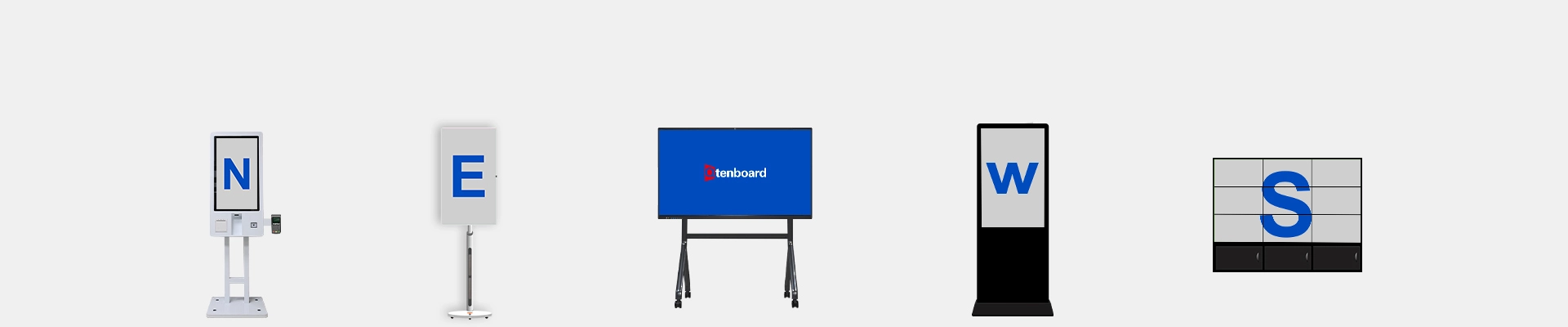
Lcd/led paneļi, video sienas, āra augstas spilgtuma ekrāni un interaktīvi kioski.
Ārējie mediju atskaņotāji piedāvā veiktspēju un elastību; iebūvēts soc vienkāršo uzstādīšanu.
Ļauj template pārvaldību, plānošanu, attālo publicēšanu, vairāku lietotāju un vairāku atrašanās vietu kontroli.
Atbalsta wi-fi/ethernet, pos integrāciju, iot sensorus, qr/mobile mijiedarbību un ārējos datu avotus.
Dashboards parādīt apskatīšanas statistika, mijiedarbība, ilgums, un multi-location veiktspējas metrikas.
Android: 9.0 / 11.0 / 13.0 / 14.0 / 16.0
Logi:I5/i7 procesori
Atbalsta multi-screen, split-screen, tālvadības pults, un reālā laika atjauninājumus mazumtirdzniecības, biroja, transporta, izglītības un viesmīlības vidē.
Lielākā daļa sistēmu darbojas vislabāk tiešsaistē attālinātiem atjauninājumiem un reālā laika plūsmām, bet bezsaistes atskaņošanas saraksti ir iespējami.
Izmaksas atšķiras ar displeja izmēru, cms funkcijas, un uzstādīšana. Pamata iestatījumi: displejs cms; advanced: sensori, multi-screen tīkli.
Jā, izmantojot api, kas rāda laika apstākļus, ziņas, sociālie mediji vai pārdošanas paneļus.
Pat viens displejs ar mērķtiecīgu saturu var palielināt iesaistīšanos un informācijas piegādi.
Mazas sistēmas: stundas; lieli daudzekrānu tīkli: dienas līdz nedēļām.
Lielākā daļa ir lietotājam draudzīgi; pamata satura atjauninājumi ir vienkārši pēc minimāla apmācību.
Digitālo apzīmējumu sistēmas ir stratēģisks rīks, kas informē, iesaista un ietekmē auditoriju reālajā laikā. Komponentu izpratne, atbilstošas aparatūras un cms izvēle un efektīva satura projektēšana atslēdz iesaistīšanos, analītiku un biznesa vērtību.
QtenboardNodrošina uzticamus digitālo apzīmējumu risinājumus ar android un windows konfigurācijām, atbalsta attālo pārvaldību, sadalīta ekrāna displeju un interaktīvas iespējas-uzticamu partneri uzņēmumiem un iestādēm.

 LAV
LAV
 EN
EN  RU
RU  ARM
ARM  UKR
UKR  BEL
BEL  EST
EST  AZE
AZE